The Seal of Melchizedek
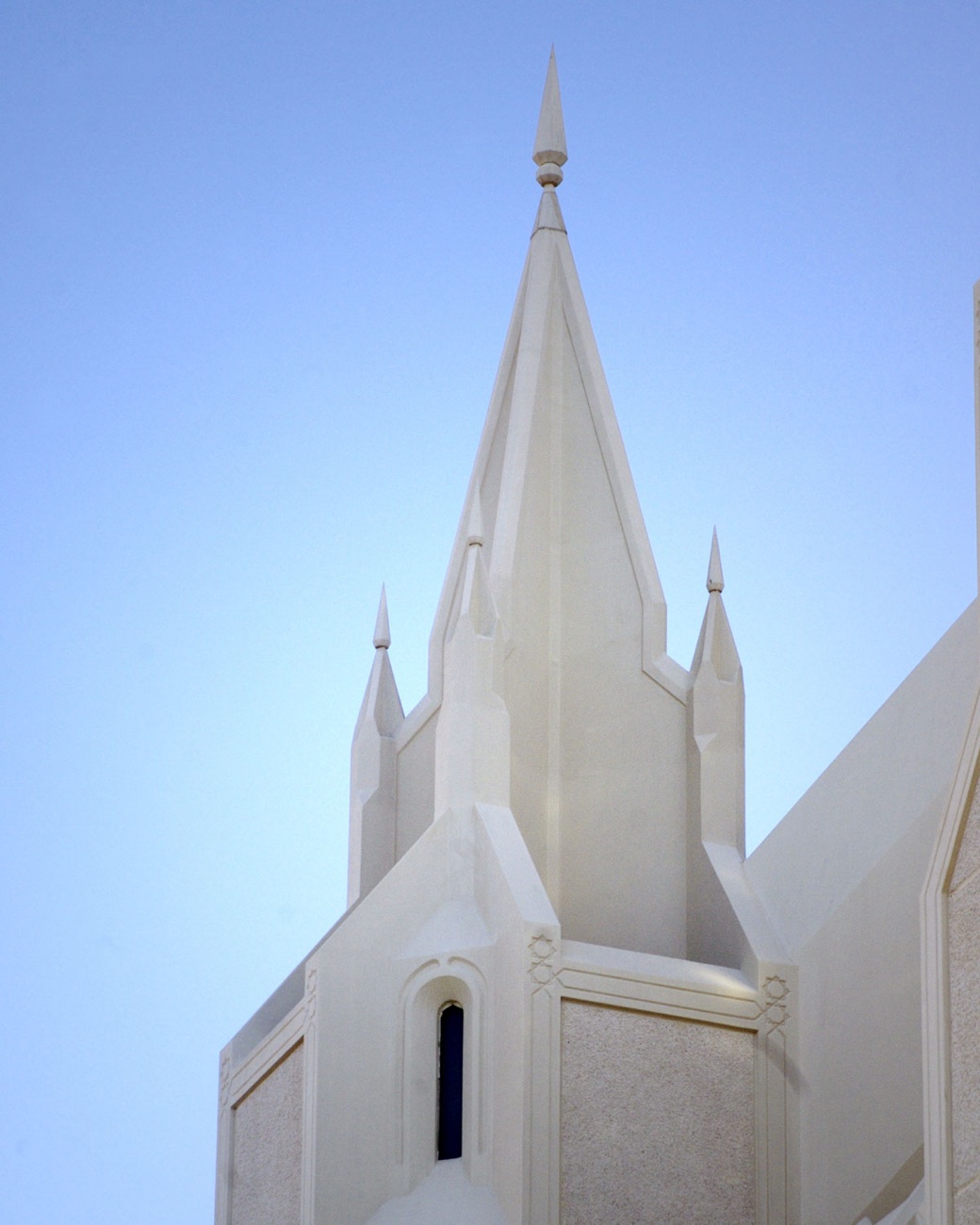
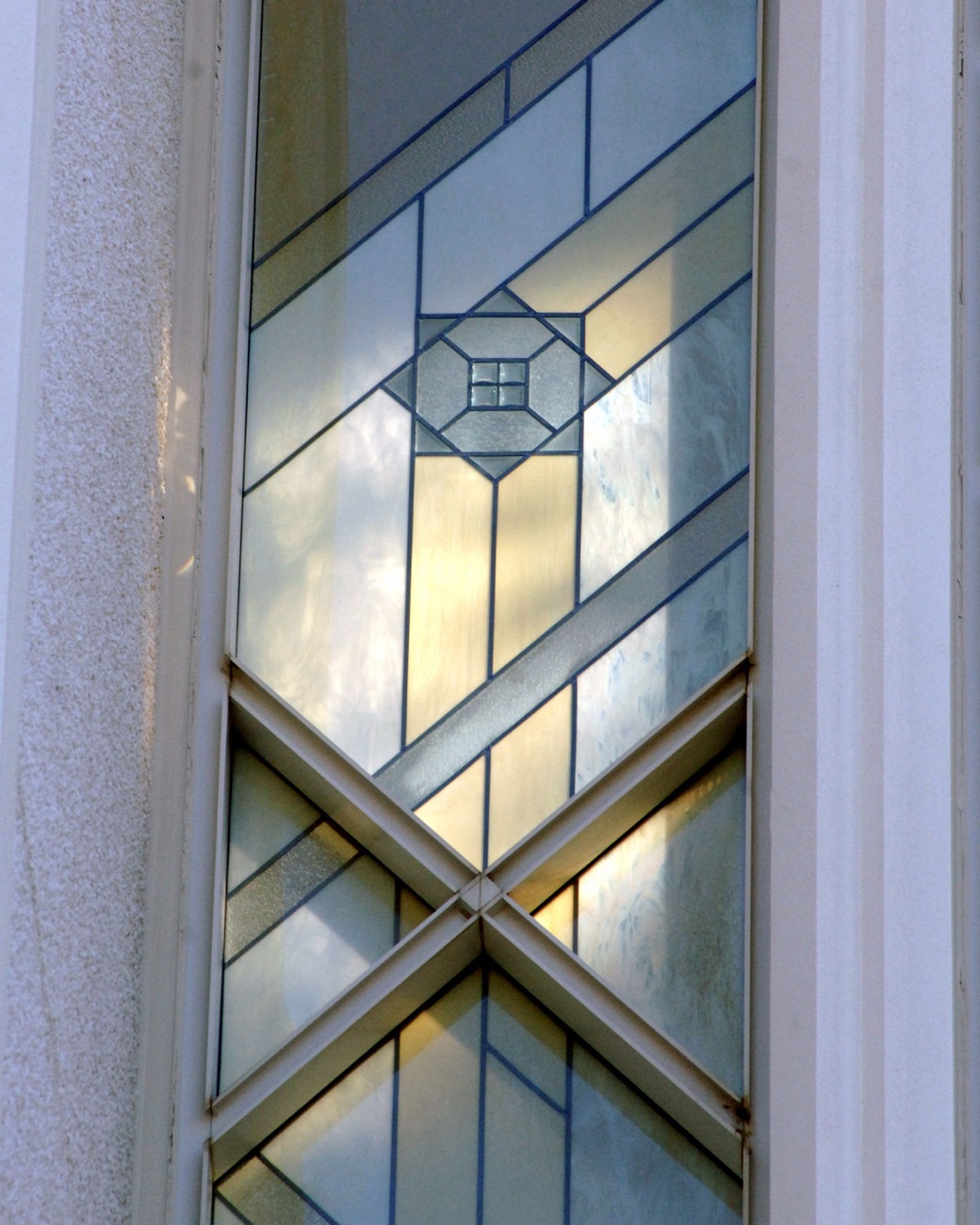
Look closely at the San Diego Temple and one shape begins to follow you everywhere — in the leaded glass, the doors, the floors, the white iron fences, even the flowerbeds. Two squares, laid one over the other and turned forty-five degrees, forming an eight-pointed star. By one count, it repeats more than 10,000 times.
It began with a prayer. The temple’s design architect, William S. Lewis Jr., said he fasted and prayed over the design until he woke one morning with “squares on his mind.” He kept tipping, twisting, and tweaking them until the star appeared. For years, when visitors asked what it meant, the answer was disarmingly humble: “probably just an architectural detail.”
Then someone carried photographs of it to the Latter-day Saint scholar Hugh Nibley — who recognized it at once. The same two-square design rests in a 1,500-year-old mosaic in Ravenna, Italy (about A.D. 520), upon the altar of Melchizedek, the priest-king who blessed Abraham. The “Seal of Melchizedek” had been hiding in plain sight — and President Gordon B. Hinckley later asked that it be woven into other temples.
What the star has always meant
The eight-pointed star is among the oldest emblems of resurrection and new beginnings — the “eighth day,” the new creation that dawns after the seven days of Genesis. Its octagon bridges the square of the earth and the circle of heaven — the very journey a temple is built to make. It is why baptismal fonts, from the earliest Christian centuries, are so often eight-sided: a geometry of rebirth, of passing from mortal to immortal through Christ.
A note for the curious: the name “Seal of Melchizedek” is itself modern — it first appears in 1992, in Hugh Nibley’s Temple and Cosmos — and careful scholars such as Alonzo Gaskill note that in the Ravenna mosaic the symbol rests on the altar cloth, pointing perhaps less to one man’s priesthood than to Christ’s own sacrifice. But on walls stamped ten thousand times with the geometry of resurrection, the message is the same: life, renewed and made eternal.
Sources: Meridian Magazine · LDS Living · Hugh Nibley, Temple and Cosmos (1992) · Alonzo L. Gaskill, BYU Religious Studies Center · Val Brinkerhoff, The Day Star.